Thatch roofing in Zanzibar is closely associated with traditional coastal architecture, natural materials and the relaxed atmosphere of island hospitality. Makuti roofing, made using palm-leaf thatch, is a familiar feature of many East African coastal environments and is often considered for properties seeking a traditional tropical appearance.
At Zanduri Wood Works, based in Zanzibar, Tanzania, we work with customers interested in handcrafted woodwork and traditional coastal design features. Makuti roofing is relevant to property owners, hotel operators, resort developers, architects and contractors planning outdoor structures or hospitality spaces with a natural thatched appearance.
It can be considered for suitable roof structures, outdoor relaxation areas, restaurant shelters, garden features and other applications where the design and construction requirements allow.
Every roofing project has different needs. Roof dimensions, supporting structures, the intended use, material selection and installation requirements must be established before work is confirmed.
If you are planning a new property, renovating an existing building or developing an outdoor hospitality area, contact ZanduriFurniture to discuss your proposed makuti roofing project and the specifications required for a quotation.
What Is Makuti Thatch Roofing?


8
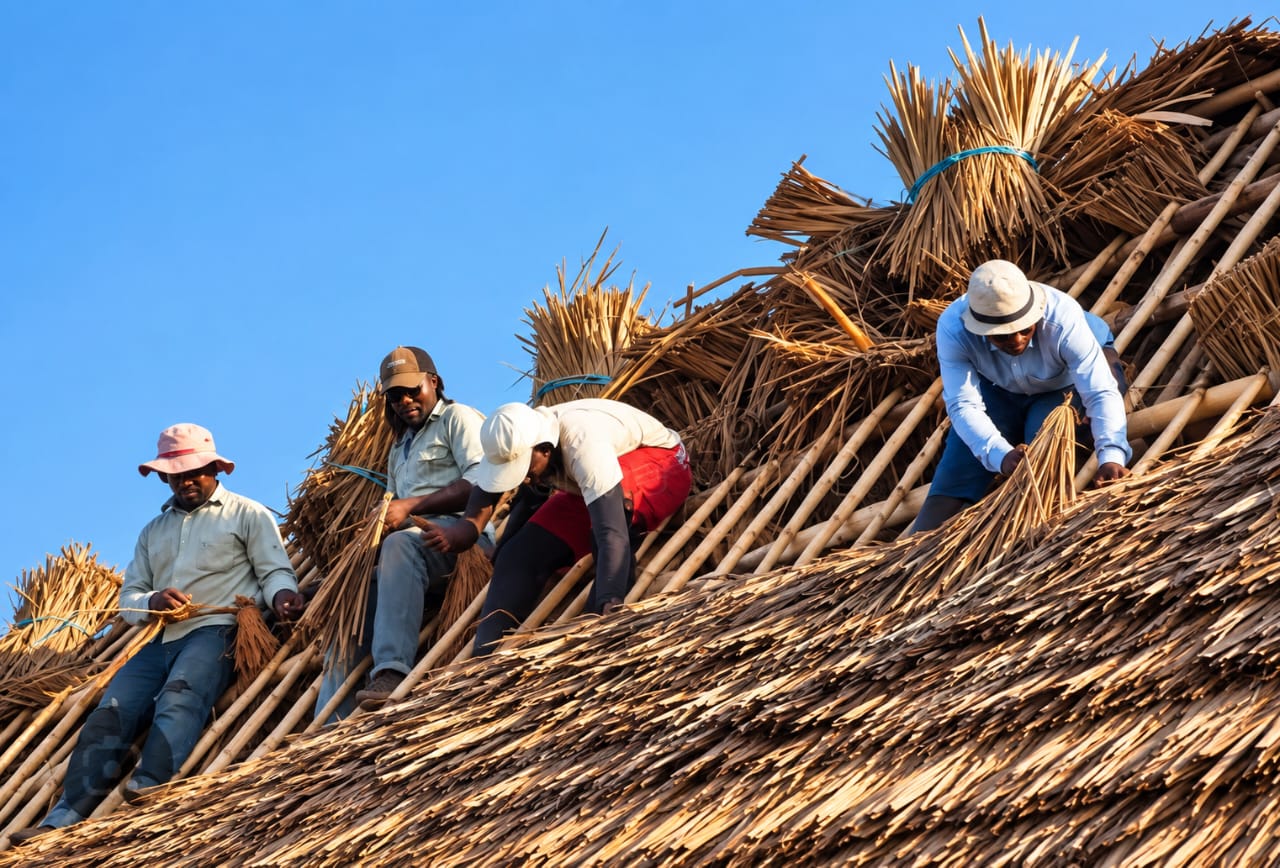
Makuti roofing is a traditional roofing style that uses palm leaves arranged in layers to form a thatched covering. The term is associated with coastal East African building traditions, including those found in Zanzibar.
Unlike conventional roofing made from metal sheets, tiles or other manufactured materials, makuti roofing has a natural texture and distinctive appearance. The finished roof can complement timber structures, traditional coastal buildings, landscaped gardens and outdoor hospitality settings.
The appearance of a makuti roof depends on the arrangement of the thatch, the shape of the roof, the supporting structure and the construction method used.
For hotels, restaurants and private properties, this roofing style can help establish a connection with Zanzibar's coastal architectural character. It can also be considered for selected outdoor structures where a natural, traditional finish is part of the design.
The suitability of makuti roofing depends on the particular building, its intended use and the technical requirements of the installation.
Design and Appearance of Traditional Makuti Roofing in Zanzibar
Traditional thatched roofing has a distinctive appearance created by overlapping palm material and the shape of the finished roof. Depending on the architectural design, it may be used on structures with sloping roofs, sheltered outdoor spaces and other suitable forms.
The roof's proportions matter. The overhang, slope, supporting framework and thickness of the thatch all influence its overall appearance and practical performance.
For a hospitality project, the roofing design should complement the surrounding architecture and outdoor furniture. Natural timber, wooden seating, handcrafted tables and landscaped areas can work together to create a consistent coastal aesthetic.
Makuti roofing may be considered for:
Hotel and resort outdoor shelters.
Restaurant and bar roofing where suitable.
Villa garden structures and outdoor relaxation areas.
Selected beachside hospitality structures.
Traditional-style outdoor seating areas.
Suitable gazebos and other garden features.
The final design should be assessed against the building's layout, structural requirements, exposure to weather and intended use.
Materials Used in Makuti Roofing
The defining material in traditional makuti roofing is palm-leaf thatch. The quality, condition and preparation of the roofing material influence the finished appearance and the roof's maintenance requirements.
The supporting framework is equally important. Its material, spacing, connections and structural arrangement must suit the roof design and the loads it needs to carry.
Where timber is part of the construction, the appropriate wood should be selected according to its intended structural role and exposure. Wood species such as Mninga, Mvule and Mkongo should not be assumed to be interchangeable or automatically suitable for every roofing application. The correct choice depends on the design, material properties and construction requirements.
Other details, including fasteners and connections, should also be selected for the specific project.
For buildings in Zanzibar's coastal environment, material selection deserves particular attention because humidity, salt exposure, sunlight and rainfall can affect roofing components and supporting timber.
Before ordering, customers should confirm the proposed materials, structural specifications, expected maintenance and any protective treatments required.
Craftsmanship and Makuti Roof Construction
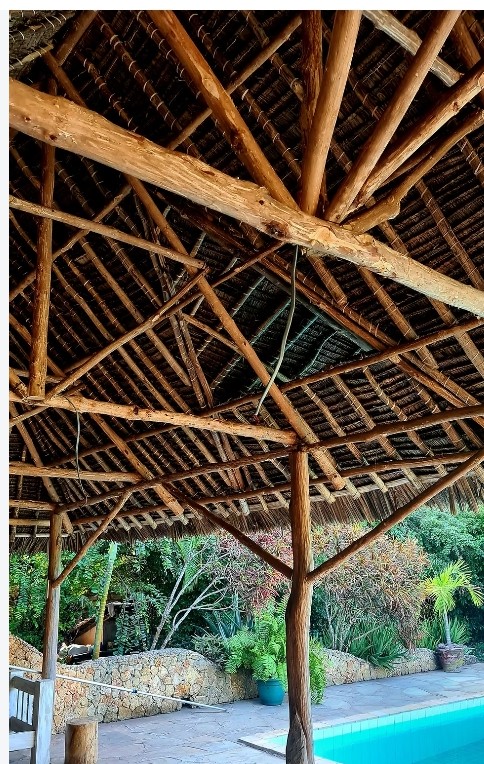
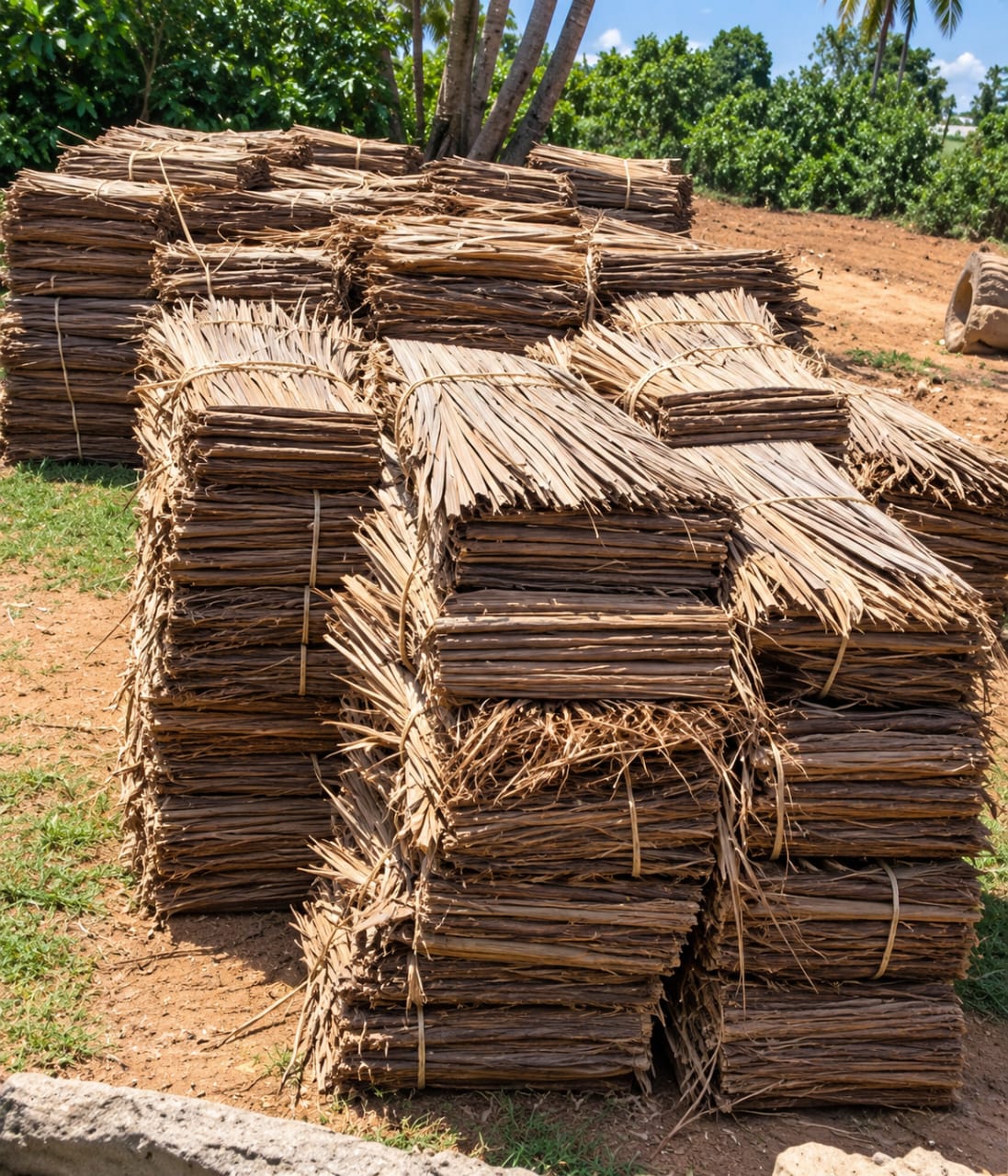
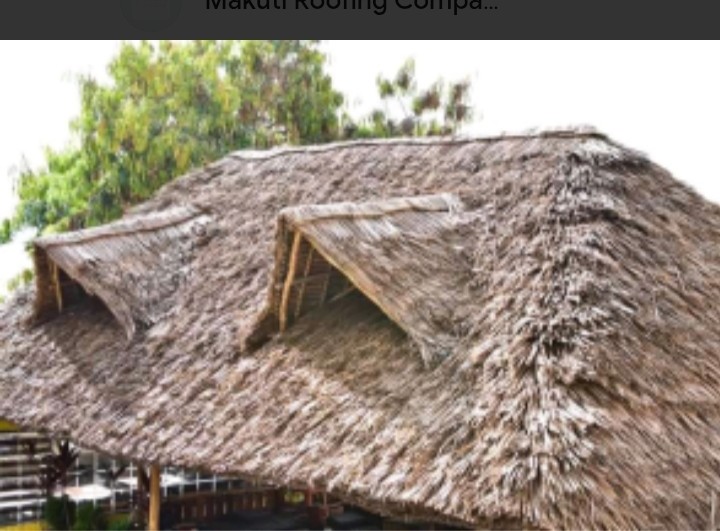
A well-planned thatched roof requires careful coordination between the roofing material and the supporting structure. The finished appearance depends on consistent installation, suitable roof geometry and attention to the details where different sections meet.
The process begins with understanding the building or structure that needs roofing. Measurements, drawings, photographs and site information help establish the proposed dimensions and layout.
The supporting framework must then be considered in relation to the intended roof shape and the loads involved. Structural design and connections should be determined by appropriately qualified professionals where required.
The thatching work involves arranging and securing the roofing material according to the selected construction method. Careful installation helps create a consistent appearance and reduces avoidable gaps or poorly finished areas.
Roof edges, junctions, openings and connections require particular attention because they can affect the finished appearance and how the roof manages rainwater.
For larger projects, agreeing on the design, material specifications and scope of work before construction helps all parties understand what is included.
Durability, Maintenance and Practical Performance
Makuti roofing is a natural roofing option, but its service life and performance depend on the materials, construction quality, exposure and maintenance.
Palm-leaf thatch can deteriorate over time. Sunlight, rainfall, humidity, wind and biological growth may affect its condition. The rate of deterioration varies according to the materials used, roof design, installation and local conditions.
Zanzibar's coastal climate makes regular inspection particularly important. Property owners should monitor the condition of the thatch, roof edges, connections and supporting framework. Damaged or displaced material should be assessed and repaired where necessary.
The roof must also be designed for the conditions at its actual location. Wind exposure, drainage, the possibility of falling material, access for maintenance and structural stability should all be considered.
Fire safety is another important consideration. Natural thatch is combustible, so building owners should seek appropriate advice on fire precautions, safe clearances, cooking equipment, electrical installations and applicable building requirements.
Makuti roofing should not be assumed to be waterproof under all conditions or suitable for every building. Its performance depends on the roof design and installation.
With appropriate planning and maintenance, traditional thatching can be considered for suitable residential, commercial and hospitality applications.
Custom Makuti Roofing for Different Projects
Each building has its own dimensions, layout and architectural character. Custom planning helps establish the roofing requirements before materials and labour are committed.
Customers can discuss the following project details:
Roof dimensions: The length, width, slope and approximate area to be covered.
Roof design: The proposed shape, profile, overhang and relationship to the building.
Materials: The preferred thatch and supporting framework, subject to suitability.
Existing structures: Whether the work involves a new framework, an existing roof or a renovation.
Project quantity: One roof, several structures or multiple properties.
Finish and appearance: The desired traditional or contemporary coastal style.
Site conditions: Location, access, weather exposure and any installation constraints.
Project scope: Whether the enquiry concerns thatching only or a broader construction requirement.
These details are especially important for property developers, architects and contractors coordinating a wider building project.
If you have architectural drawings, site photographs or a reference image, share them when making your enquiry. They provide a useful starting point for discussing feasibility and identifying the specifications still required.
Makuti Roofing for Hotels, Resorts, Villas and Restaurants
7
Luxury Hotels and Beach Resorts
Hotels and resorts may consider makuti roofing for selected outdoor shelters, guest relaxation areas and architectural features that complement a traditional coastal design.
For larger hospitality projects, it is useful to establish a consistent roof design, material specification and scope of work before planning multiple structures.
Boutique Hotels and Private Villas
Boutique accommodation and villas often have distinctive architectural requirements. Makuti roofing may suit properties incorporating natural materials and traditional island-inspired design.
The suitability of the roof should be assessed against the building's structure, weather exposure, fire-safety requirements and maintenance arrangements.
Airbnb and Holiday Properties
Owners of holiday rentals may consider thatched roofing for suitable garden structures or sheltered outdoor areas. Before proceeding, they should establish the likely maintenance needs and ensure the proposed installation is appropriate for the property.
Restaurants and Outdoor Hospitality Spaces
Restaurants and bars may use traditional thatched roofs for suitable outdoor dining or relaxation areas. Where cooking equipment, electrical installations or open flames are involved, fire-safety requirements need particular attention.
Architects, Contractors and Property Developers
Architects and contractors can provide drawings, roof plans, measurements and construction specifications when requesting a quotation. Early coordination helps clarify the responsibilities for structural design, materials, installation and ongoing maintenance.
Why Contact ZanduriFurniture About Makuti Roofing?
Zanduri Wood Works is a Zanzibar-based furniture and woodwork business serving residential, commercial and hospitality projects.
Our work focuses on handcrafted wooden furniture and custom wood products. For customers exploring traditional makuti roofing or related coastal design features, we welcome enquiries to discuss the intended application and clarify the scope of work required.
Direct communication helps customers explain their design preferences, share reference images and identify the practical details that need to be agreed upon.
For hotels, resorts, villas and property developments, a clear project brief is particularly useful. It helps establish the intended appearance, measurements, quantity, materials and relationship between the roofing and other parts of the project.
Because specific roofing capabilities and installation requirements must be confirmed for each job, customers should discuss the exact scope before assuming that a quotation includes structural construction, thatching, transport or installation.
Our aim is to establish the customer's requirements clearly and discuss the proposed work before an order is confirmed.
Makuti Roofing Services in Zanzibar, Tanzania
Zanzibar has a distinctive coastal building tradition in which natural materials and outdoor living play an important role. Makuti roofing can be considered for appropriate projects that seek to reflect this architectural character.
ZanduriFurniture is based in Zanzibar, Tanzania. Customers planning projects in Stone Town, Nungwi, Kendwa, Matemwe, Kiwengwa, Paje, Bwejuu and other parts of the island can contact us to discuss their requirements.
The availability of services, transport and installation arrangements depends on the project location and agreed scope. Customers elsewhere in Tanzania can also enquire about their proposed projects.
When planning a roof near the coast, ensure the design accounts for local wind conditions, rainfall, humidity, structural stability and maintenance access. Any applicable building, fire-safety and structural requirements should be confirmed before construction begins.
What to Prepare Before Requesting a Roofing Quotation
To help us understand your project, please provide the following information where available:
Project type: Hotel, resort, villa, restaurant, gazebo or another structure.
Measurements: Approximate roof dimensions or total area to be covered.
Photographs: Pictures of the existing structure or your preferred roofing style.
Drawings: Architectural plans, roof layouts or construction details, if available.
Location: The property's location in Zanzibar or elsewhere in Tanzania.
Materials: Any specified thatch, timber or other construction materials.
Scope of work: Whether you require roofing work only or want to discuss the supporting structure as well.
Quantity: The number of roofs or structures included in the project.
Timing: Your intended project schedule, so requirements can be discussed.
If you do not have drawings, you can begin with photographs and approximate measurements. The outstanding technical details can then be identified before the final specifications and quotation are agreed upon.
CALL TO ACTION
Discuss Your Makuti Thatch Roofing Project in Zanzibar
Planning a traditional thatched roof for a hotel, resort, villa, restaurant or outdoor structure? Contact ZanduriFurniture – Zanduri Wood Works to discuss your project requirements.
Share your photographs, drawings, approximate measurements, required quantity and property location. We can discuss the intended design and clarify the scope and specifications that need to be confirmed for a quotation.
Contact Zanduri Wood Works
Phone / WhatsApp
Website
Visit website
FAQS
1. Where can I find thatch roofing services in Zanzibar?
You can contact Zanduri Wood Works in Zanzibar to discuss your makuti roofing requirements. Share the type of structure, its location, photographs and approximate dimensions. We can discuss your enquiry and clarify whether the proposed work falls within the services available for your project. Structural design, installation responsibilities, materials and pricing should be confirmed before you proceed.
2. What is makuti roofing made from?
Traditional makuti roofing uses palm-leaf thatch arranged in layers to create a roof covering. The supporting structure is a separate part of the construction and may use materials selected for the building's design and structural requirements. The exact materials, installation method and roof specifications should be established for each project rather than assumed from the appearance of the finished roof.
3. Is makuti roofing suitable for hotels and resorts in Zanzibar?
Makuti roofing may be suitable for selected hotel and resort structures where traditional coastal design is desired and the construction meets the property's practical requirements. Site exposure, wind loading, fire safety, structural stability and maintenance access must be considered. Hotels should consult the relevant building professionals and authorities before deciding whether thatch is appropriate for a particular building or outdoor area.
4. How long does a makuti thatched roof last?
There is no single lifespan that applies to every makuti roof. Longevity depends on the quality and preparation of the thatch, roof design, installation, exposure to weather and maintenance. Coastal conditions can influence how quickly natural materials deteriorate. Ask for information about the proposed materials, inspection requirements, repair options and maintenance expectations before finalising your roofing project.
5. How can I get a quotation for makuti roofing in Zanzibar?
Contact Zanduri Wood Works by WhatsApp at +255 798 945 205 or email info@zandurifurnitures.com. Include your project location, roof measurements, photographs or drawings, the number of structures and the work you need completed. These details help establish the proposed scope. Any quotation should clearly identify the included materials, labour, transport, installation and other agreed responsibilities.